Guides & Planning
Read More
Planning a January 2027 Start? Check School and Housing Together
Start with the proposed campus, course sequence and host arrangement. An available school place is only one part of the plan.
Arrivo Group ·
Scholarships available at selected private and boarding schools. Eligibility and awards require confirmation.
Featured Article
Bring subjects, friendships, housing and everyday life into one school-search conversation, with the student’s voice at the centre.

Start with the proposed campus, course sequence and host arrangement. An available school place is only one part of the plan.
Cultural exchange includes school and home. Ask the sponsor about the program, placement process and local support.
Compare Miami-Dade County Public Schools with Indian River Charter in Vero Beach through the school and living experience.
Use the same questions for each proposal, from courses and transport to meals, support and the complete written quote.
Move from a general promise of support to clear questions about staff, routines, accommodations and additional costs.
Use an interest you already have to start meeting people, while checking joining dates and eligibility before you make plans.
Learn your route, find your contacts and start a few conversations. You do not need to have the whole year figured out.
A practical starting point for Turkish students and families comparing U.S. schools, subjects, housing and a route home.
Explore an Arkansas school option and think through how a new community, school day and host home would work together.
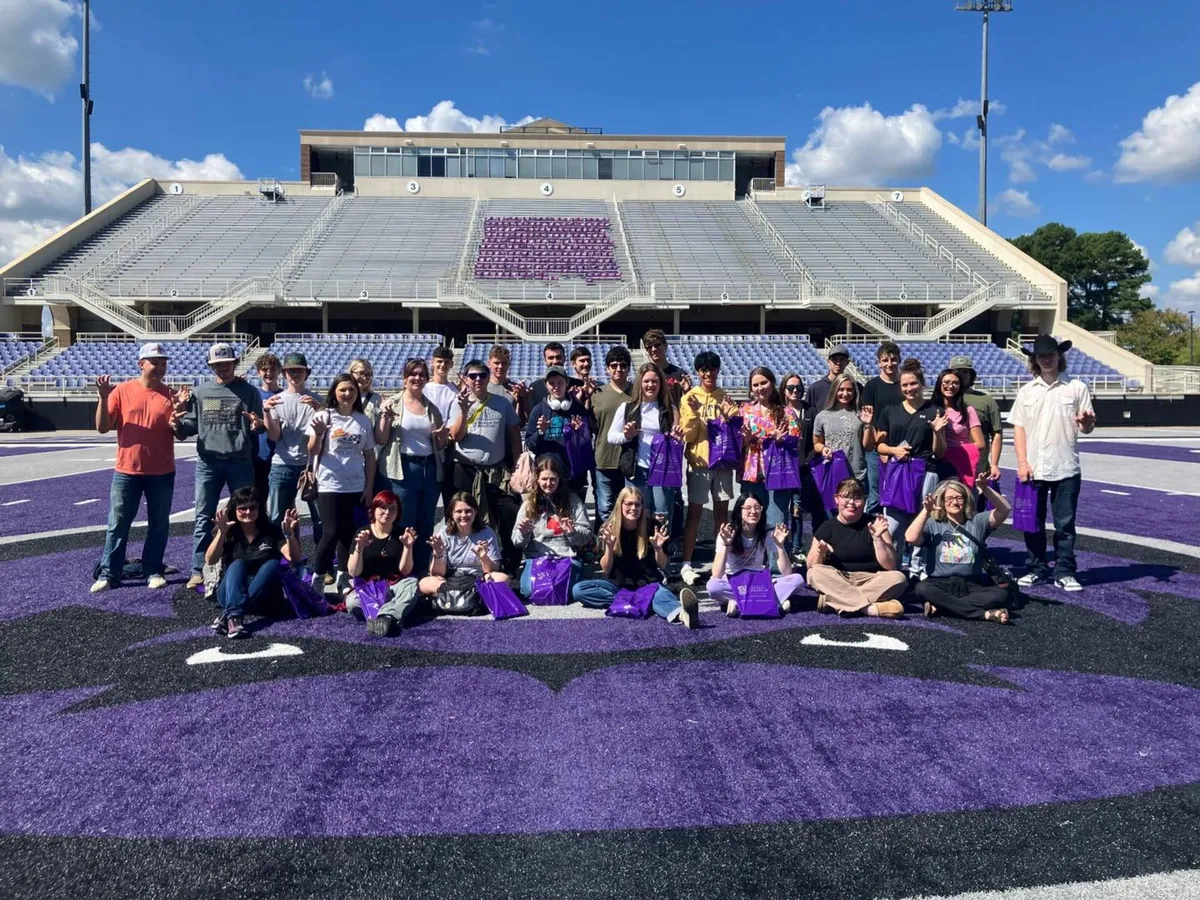
A Kansas boarding-school highlight, with a focus on academic fit, Christian school culture and confirmed residential arrangements.
Explore Lincoln Academy in Newcastle through the academic plan, residential questions and the student’s preferred daily rhythm.
Use the proposed campus, coursework and home routine to decide whether this Phoenix-area option belongs on your shortlist.
School is one part of the day. Everyday conversations at home can help you participate, ask questions and feel more comfortable.
Scottsdale Unified and Rancho Solano are different options. Compare the school, pathway and housing model before the location.
A Chandler school highlight with questions about subjects, activities, host-family life and the requirements that matter to you.
Explore San Luis Coastal Unified as a separate California option, with campus-specific and homestay questions at the centre.
An award can make a difference, but the term, eligibility rules, housing and remaining costs still need to add up.
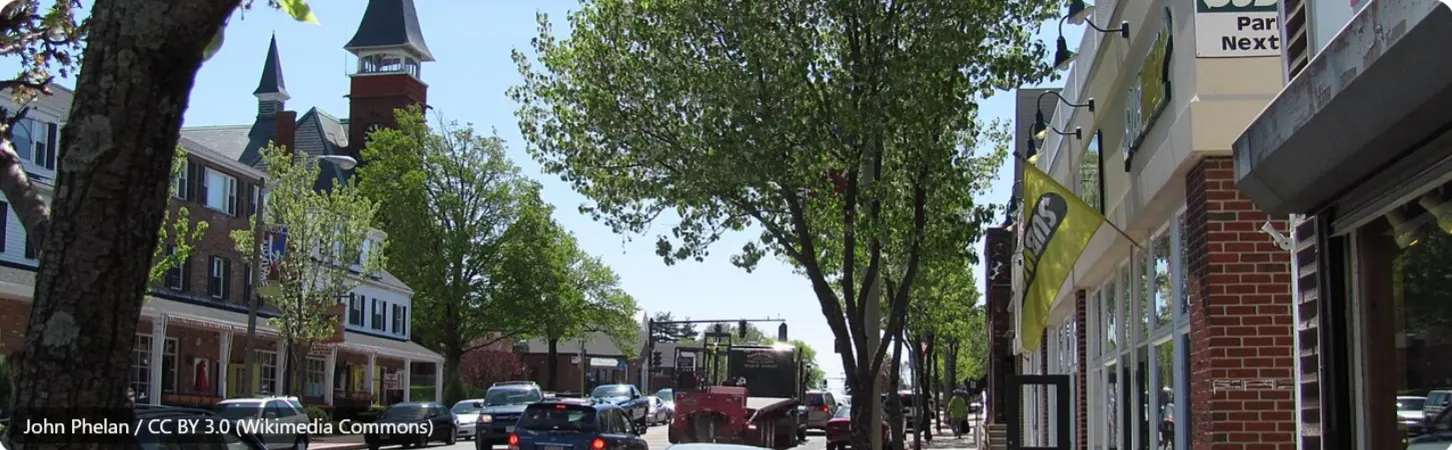
A Massachusetts public-school highlight built around Walpole High School, realistic course questions and homestay planning.
Explore Oakwood Friends in Poughkeepsie, New York, with questions about learning, campus life and the residential experience.
Use Rancho Solano as one school example, then compare the practical differences between day school with housing and boarding.
An Arizona boarding-school highlight, with practical questions about academics, residential life and the full commitment.
Explore Bonneville Joint School District #93 as part of a wider U.S. school shortlist, with equal attention to school and home.
A shorter stay still needs a complete plan. Check subjects, credit, housing, dates and the full quote before choosing a semester.
Put Vero Beach on your Florida comparison, with questions about your subjects, school activities and life in a host home.
The Miami option highlighted here is Miami-Dade County Public Schools. Start with the campus and everyday living arrangements.
Explore Anaheim Union High School District through subjects, campus choice and the practical details of living with a host family.
A friendly first call can make the move feel more real. Here are useful questions about routines, meals and getting to school.
Look at Higley Unified in Gilbert through the lens of courses, activities and a realistic homestay routine.
A practical way to compare Gilbert Public Schools, a host home and the weekly routine you want in Arizona.
Start with Mesa Public Schools, then look at the home, commute and activities that would shape your Arizona experience.
The boarding-vs-day decision isn't just about where your child sleeps. It affects their social life, independence, cost, and the kind of support they'll have when things get hard. Here's how to think about it clearly.
Grade 8? Grade 10? Senior year? The "right" grade to start depends on what your family is trying to accomplish — and the answer is different for a student aiming at U.S. universities than for one who just wants a year of cultural experience.
I've read thousands of international applications. Here's what actually moves the needle — and what families spend too much time worrying about.
Every parent asks this question. They should. The answer isn't "yes, don't worry" — it's more specific than that, and specificity is what you deserve before making a five-figure decision about your child's safety.
The honest answer: yes, but it's competitive, the rules are different from domestic students, and most families don't understand which schools actually offer it. Here's what you need to know.
Both tests open the same doors. The question isn't which is "better" — it's which one plays to your child's strengths. Here's how to decide.
You planned a $25,000 budget. Then your currency dropped 12% against the dollar. Suddenly you're short $3,000. Here's how to plan for this before it happens.
The U.S. university application isn't a form — it's a story. And international students who understand how to build that story from Grade 9 have a massive advantage. Here's the step-by-step plan.
If your child is neurodivergent — whether that means ADHD, autism spectrum, dyslexia, anxiety, or another learning difference — you might assume that studying abroad in the U.S. is too complicated or too risky.
You've built a pipeline of families who trust you. The last thing you need is a U.S. partner who makes you look bad. Here's a checklist for finding one that won't.
If you've never heard of an IEP or a 504 plan, you're not alone. Most international families haven't — and understanding these terms before your child enrolls can make the difference between support and struggle.
We hear it on nearly every first call: "We want to get our child into the best school." And we get it. You're investing serious money and serious trust in this process.
Every school says they offer "learning support." Almost none of them mean the same thing by it. Here's how to tell the difference between real support and a marketing checkbox.
Families often ask which schools send the most students to top universities. The answer is more nuanced than a ranking list — and the metrics that matter aren't the ones most parents think about.
There's a story the international education industry loves to tell: the straight-A student, fluent in English, socially confident, ready to conquer the world. It's a great story.
Nobody warns you that the biggest relationship change from studying abroad isn't with your friends or your host family — it's with your own parents.
I spent eight years reading applications at a top-30 U.S. university. Here's what study abroad experience actually signals to admissions committees — and how to make sure it counts.
Almost every international student experiences homesickness. It doesn't mean the placement is wrong or that your child isn't strong enough.
African families are the fastest-growing segment of international students in U.S. high schools. The ambition is there. The questions about visas, safety, cultural adjustment, and ESL support deserve real answers.
My son Chidi was not a bad student. But he was not thriving.
The concept of a "gap year" has evolved far beyond its backpacking roots.
Most international student programs weren't designed for neurodiverse learners. The result is a system that either excludes them entirely or places them without the support they need.
Three weeks in America might sound too short to matter. It's not. For the right student, a 21-day summer exchange is the single best investment a family can make before committing to a full year.
Matching a neurodiverse student with a host family isn't about finding someone "willing to take them." It's about finding a family whose daily rhythms, communication style, and understanding create an environment where that student can thrive.
You wouldn't buy a car without a test drive. So why would you commit your child to a full year in a foreign country without letting them try it first?
For families from Saudi Arabia, the UAE, Kuwait, Qatar, and Bahrain, sending a child to study in the U.S. raises specific questions about faith, food, cultural respect, and daily life that most agencies don't address head-on. We do.
The boarding-vs-homestay decision isn't about which option is objectively better. It's about which one fits your child's personality, independence level, and social needs.
If your mental image of American high school comes from movies — lockers lining the hallways, cheerleaders, yellow school buses — you're not entirely wrong.
Most families don't know what to ask — so they ask the wrong things. Here are the questions that actually tell you whether an agency knows what they're doing.
You've landed. The bags are unpacked. Your host family has shown you your room, and you're lying in a bed that doesn't feel like yours. Welcome to your first month in America.
Chinese families represent the largest group of international students in U.S. high schools. The academic culture differences are real. The family expectations are high. And the path to getting it right starts with understanding what's actually different.
Summer and full-year programs need current quotes. The decision also depends on your child's readiness, your family's comfort level and the experience you want. Here is a framework for comparing them.
If your child is studying at a U.S. high school, the question of college is already on the horizon. The U.S. university application process is unlike anything in most other countries, and planning early gives a significant advantage.
Everyone assumes private school is automatically better. The reality is more complicated — and for some students, a public school is actually the stronger choice.
You'll encounter two acronyms constantly when researching U.S. schools: AP and IB. Both are advanced academic programs, but they're quite different — and the right choice depends on your child.
Families ask you "which visa should my child get?" all the time. Here's the real comparison — cost, flexibility, compliance, and what it means for your placements.
Not every child is ready at the same age. Here's an honest framework for figuring out whether this is the right year — or whether waiting would actually serve them better.
I am writing this for every mother who is lying awake at 2 AM wondering if she's making the right decision. I was you.
Brazilian families are one of the largest groups sending students to the U.S. — and one of the least well-served by generic advice. Here's what the process actually looks like from Brazil.
Full scholarships for international high school students in the U.S. are rare. But financial support isn't. The difference between those two statements can save your family thousands of dollars.
The international education industry has a dirty secret: most agencies are great at getting your child to America and terrible at what happens after they arrive.
Most agencies won't even bring up learning differences. We lead with them — because finding a school that understands your child's brain is the single most important factor in their success abroad.
SEVIS certification is the gateway to enrolling international students on F-1 visas. Here's what the process actually looks like, how long it takes, and where schools get tripped up.
Packing for a year abroad is an art. Bring too much and you'll fight overweight luggage fees. Bring too little and you'll spend your first weeks buying things you could have brought from home.
You just got off a 14-hour flight. Your English is decent but not great. Everyone at school already has their friend groups. Here's what actually works.
Before I moved in with an American family, I had a picture in my head of what they'd be like. I was wrong about almost everything.
These two visas look similar on paper but lead to fundamentally different experiences. Here's how to figure out which one fits your child — based on cost, flexibility, school choice, and what actually matters.
When families start researching U.S. schools for their international student, one of the first questions is about location. Where your child studies shapes their experience as much as which school they attend.
Everyone tells you it'll be amazing. Nobody tells you about the first month. Here's what's actually going to happen — week by week — so you're not blindsided when it does.
Korean families approach U.S. education differently than any other group we work with. The expectations, the concerns, and the cultural gaps are specific. Here's what we've learned from placing dozens of Korean students.
You've made the decision. Your teenager is going to study in America. Now comes the part nobody gives you a manual for: preparing your child — and yourself — for what's ahead.
Nobody talks about this enough: sometimes the placement doesn't work. The school isn't the right fit. The host family dynamic is off. Your child is struggling. Here's what actually happens — and why it's not the disaster you think it is.
In Korea, I was a quiet kid who spent most of his time studying. I had good grades, a few close friends, and a very structured life.
The F-1 visa process looks intimidating from the outside. It's not — but it does require precision, timing, and knowing exactly which steps come in which order. Here's the complete walkthrough.
One of the most common questions families ask is whether their child's English is "good enough" to study in the United States. The honest answer is: it depends on the program, the school, and the student.
American high school is not what most international students expect. The grading system, the class structure, the role of extracurriculars — it's all different. Here's what changes and why it matters for your child's education.
One of the first big questions families face when planning a U.S. education experience is this: should your child live with a host family or attend a boarding school?
Most families start too late. Here's the month-by-month calendar for getting your child into a U.S. school — with the real deadlines, not the ones agencies make up to pressure you.
If you're sending your child to study in the United States, the visa process is one of the first real hurdles you'll face. And for most families, it's confusing.
When I told my friends in Brazil that I was going to spend a year at an American high school, they all said the same thing: "It's going to be just like the movies." It wasn't.
One of the first questions every family asks is: "How much will this actually cost?" It's a fair question — and the answer depends on the type of program, the school, and the region. Here's a realistic look at what to expect.
Everything you need to know about the J-1 Cultural Exchange program — who qualifies, what it costs, how the host family match works, and what the timeline actually looks like.
Choosing a U.S. school for your international student is one of the biggest decisions you'll make as a family.
After 15 years of placing students, the pattern is clear: the same five mistakes show up over and over. Every one of them is avoidable.
Here's a secret the international education industry doesn't talk about enough: a significant number of the families who send their children to study in the United States have never set foot in the country themselves.